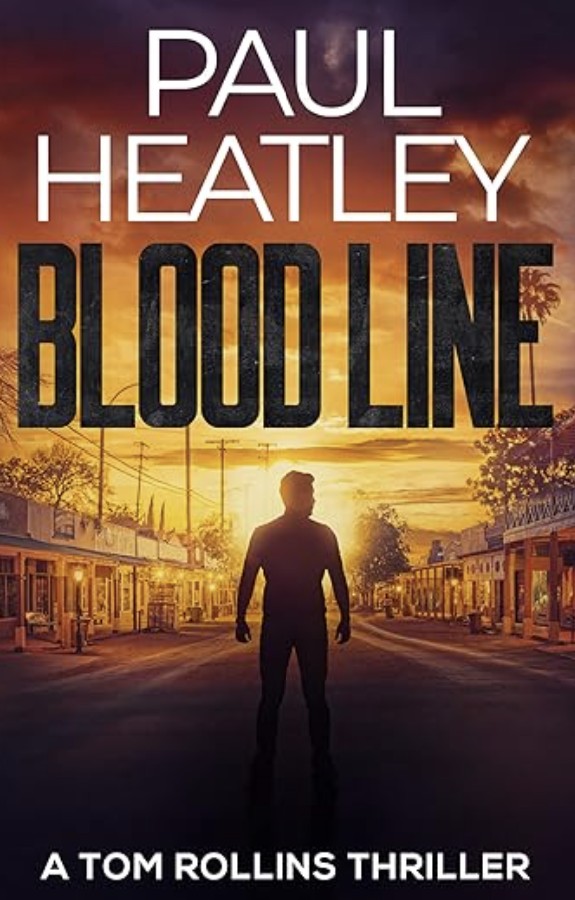
“This AI Book MRI explores what this story is really about beneath the surface — who it’s for, what it asks of the reader, and what kind of experience it delivers.”
Book Overview
Title: Blood Line
Author: Paul Heatley
Genre: Thriller
Publication Date: 2026
Format: Kindle
Reader Match:
Your match signal is personalized when you complete the Reader Q&A.
👉Get your Reader Match (60 sec. Q&A)
🔎 AI Book MRI — Quick Scan
Overall Signal
A gritty, tension-driven thriller centered on legacy, violence, and the inescapable consequences of past actions shaping present conflict.
Best For
Readers who enjoy fast-paced thrillers with crime elements, strong stakes, and narratives rooted in personal history and consequence.
Pacing & Tone
Fast pacing with a dark tone that emphasizes danger, urgency, and relentless forward momentum.
MRI Verdict (Quick)
A high-intensity thriller that sustains engagement through strong pacing and a clear, consequence-driven narrative core.
📚 Genre Signal
Genre: Thriller — a high-stakes narrative driven by legacy, violence, and escalating personal conflict.
🧩 Reader Match Summary — MRI #499
Readers who enjoy gritty, fast-moving thrillers with strong stakes and a focus on past actions shaping present danger will find a strong match here.
📚Learn How AI Book MRI Classifies Stories ↗
The full MRI analysis below explores narrative style, thematic depth, and the overall reading experience.
🚀 Concept Strength
What is this book really about beneath the surface — and how effectively does the core idea support the emotional and thematic weight of the story?
The concept explores the idea that legacy is not just inherited but actively shapes present identity and conflict. By tying past actions directly to current stakes, the narrative builds a sense of inevitability and tension that drives engagement. The “blood line” theme reinforces both personal and external consequences, adding cohesion to the story’s structure.
Net Effect: A strong, cohesive concept that delivers consistent tension and clear thematic alignment.
🟦 Narrative Execution
How the story is told — including pacing, structure, voice, scene construction, and emotional follow-through — and how those choices shape the reading experience.
The narrative emphasizes speed and escalation, with events unfolding in a way that continuously raises stakes. Action and consequence are tightly linked, ensuring that each development pushes the story forward. While the pacing is aggressive, moments of context allow the reader to stay grounded in the stakes.
Net Effect: A high-energy execution that maintains engagement through momentum and clarity.
🎯 Reader & Market Fit
Who this book is most likely to resonate with — and where it may struggle to align with common genre expectations or marketplace browsing behavior.
This aligns strongly with readers of action-driven thrillers who value pace and tension. It may feel familiar to experienced genre readers and may offer less appeal to those seeking deeper psychological or literary exploration.
Net Effect: Strong commercial appeal with broad accessibility.
✏️ Title & Story Effectiveness
How well the title reflects the book’s deeper intent and whether it helps align reader expectations.
The title reinforces themes of lineage and consequence, aligning directly with the narrative’s central tension and conflict.
Net Effect: Clear, direct, and thematically aligned.
🚫 Who This Book Is Not For
Readers seeking slower, character-heavy or literary thrillers may find the pacing too aggressive and plot-focused.
🧭 Full MRI Verdict
Overall Signal
A fast-paced thriller built on legacy, consequence, and sustained narrative momentum.
Primary Issue
Familiar structure may limit distinctiveness.
Secondary Issue
Focus on pace may reduce deeper character exploration.
Hidden Strength
Strong momentum keeps readers consistently engaged.
Best Path Forward
Add more distinctive character depth to elevate originality.
🔎 Explore More:
⚠️ Disclaimer
This AI Book MRI is an analytical opinion based on publicly available information and does not guarantee sales performance or market outcomes.