“This AI Book MRI explores what this story is really about beneath the surface — who it’s for, what it asks of the reader, and what kind of experience it delivers.”
Book Overview
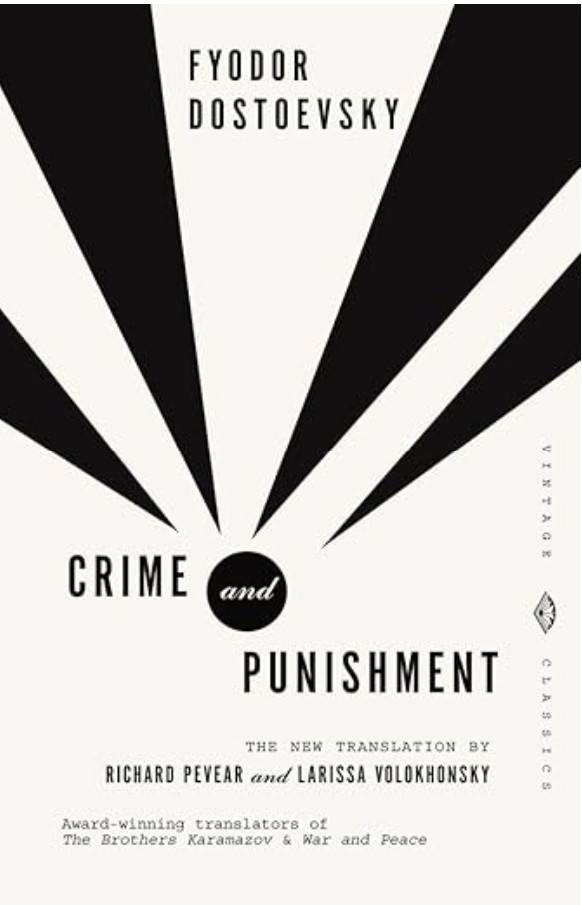
Title: Crime and Punishment
Author: Fyodor Dostoevsky
Genre: Literary Fiction
Publication Date: 1866 (Modern Editions Available)
Format: Kindle / Paperback / Hardcover
Reader Match:
Your match signal is personalized when you complete the Reader Q&A.
👉Get your Reader Match (60 sec. Q&A)
🔎 AI Book MRI — Quick Scan
Overall Signal: Strong
Best For: Readers drawn to psychological depth, moral conflict, and philosophical exploration of guilt, justice, and redemption.
Pacing & Tone: Slow pacing with a dark, intense, and deeply introspective tone.
MRI Verdict (Quick): A profound psychological and philosophical work that examines the consequences of human actions at the deepest level, demanding patience and reflection from the reader.
Genre Signal: Literary Fiction centered on psychological conflict and moral philosophy, exploring the internal consequences of crime rather than external action.
Reader Match Summary — MRI # 554
This book is best suited for readers who value deep introspection, complex moral questions, and character-driven narratives. Those seeking fast pacing or plot-heavy storytelling may find it challenging, while readers open to philosophical depth and psychological realism will find it highly rewarding.
📚Learn How AI Book MRI Classifies Stories ↗
The full MRI analysis below explores narrative style, thematic depth, and the overall reading experience.
🧠 Concept Strength
A strong concept examines how well the core idea of the book is defined, compelling, and capable of sustaining interest throughout the story.
The core concept is both simple and profound: a man commits a crime and must live with its psychological consequences. Rather than focusing on the mechanics of the crime itself, the novel explores the mental unraveling that follows. This inversion of traditional crime storytelling gives the book lasting power, as it shifts the focus from external events to internal conflict. The idea sustains the entire narrative, allowing for deep exploration of guilt, justification, and the human capacity for self-deception.
📘 Narrative Execution
Narrative execution evaluates how effectively the story is told, including structure, character development, and the author’s ability to maintain engagement.
The narrative is heavily driven by internal dialogue and psychological tension rather than action. Dostoevsky constructs a layered portrayal of the protagonist’s mental state, using long passages of reflection and interaction to build intensity. While this approach creates a rich and immersive experience, it also slows the pacing considerably. Readers are required to engage actively with the text, as the story unfolds through thought processes as much as through events.
🎯 Reader & Market Fit
This section considers how well the book aligns with audience expectations, genre conventions, and overall readability.
This is not a broad-market book in the modern sense. Its appeal is strongest among readers who seek intellectual engagement and are comfortable with slower, more demanding narratives. While widely regarded as a classic, its style and structure may limit accessibility for casual readers. However, for its target audience, it offers a level of depth rarely matched in contemporary fiction.
🪶 Title & Story Effectiveness
This evaluates how well the title represents the story and contributes to reader expectations and interest.
The title is direct and highly effective. It clearly signals the central themes of the book while inviting curiosity about how those themes will be explored. It accurately reflects the story’s focus on both the act itself and its consequences, setting appropriate expectations for the reader.
🚫 Who This Book Is Not For: Readers seeking fast-paced plots, action-driven storytelling, or light entertainment may find this book difficult to engage with. Those who prefer straightforward narratives without heavy philosophical content may also struggle with its depth and intensity.
🧭 Full MRI Verdict
Overall Signal: Strong
Primary Issue: Slow pacing driven by extensive internal dialogue and reflection.
Secondary Issue: Dense philosophical content may reduce accessibility for some readers.
Hidden Strength: Exceptional psychological depth and timeless exploration of moral conflict.
Best Path Forward: Approach the book with patience and a focus on its ideas rather than its plot, allowing the psychological and philosophical layers to unfold gradually.
🔎 Explore More:
⚠️ Disclaimer
This AI Book MRI is an analytical opinion based on publicly available information and does not guarantee sales performance or market outcomes.