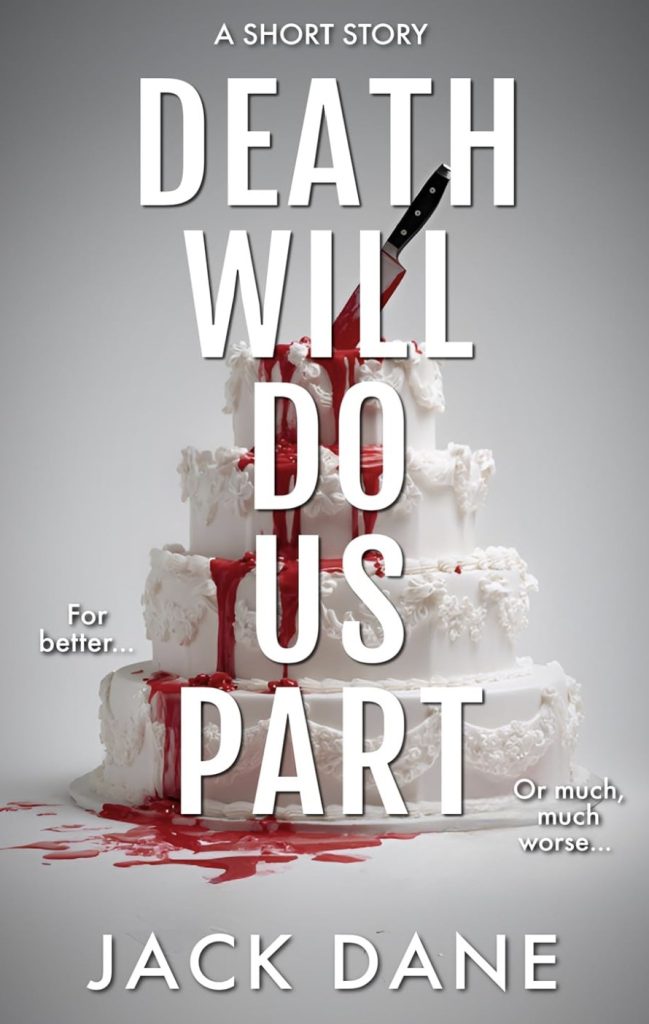
“This AI Book MRI explores what this story is really about beneath the surface — who it’s for, what it asks of the reader, and what kind of experience it delivers.”
Book Overview
Title: Death Will Do Us Part
Author: Jack Dane
Genre: Psychological Thriller
Publication Year: 2026
Format: Kindle
Reader Match:
Your match signal is personalized when you complete the Reader Q&A.
👉Get your Reader Match (60 sec. Q&A)
🔎 AI Book MRI — Quick Scan
Overall Signal
Psychological thriller centered on betrayal within intimate relationships and the dangerous consequences of hidden motives.
Best For
Readers who enjoy twist-driven domestic thrillers involving secrets, suspicion, and emotional conflict.
Pacing & Tone Note
Moderate pacing with steadily escalating tension as accusations and buried truths begin to surface.
MRI Verdict (Quick)
A relationship-driven psychological thriller exploring loyalty, deception, and the darker side of commitment.
📚 Genre Signal
Genre Strength: 🟢 A — Clear & Dominant Signal
Primary Genre: Psychological Thriller
Reading Style: Suspense narrative emphasizing secrets, interpersonal conflict, and shifting trust.
📚Learn How AI Book MRI Classifies Stories ↗
🧩 Reader Match Summary — MRI #172
This book aligns with readers who enjoy psychological thrillers where betrayal, secrecy, and emotional fallout drive the suspense.
The full MRI analysis below explores narrative style, thematic depth, and the overall reading experience.
🔴 Concept Strength
What is this book really about beneath the surface — and how effectively does the core idea support the emotional and thematic weight of the story?
Stories exploring betrayal within close relationships often focus on how suspicion reshapes identity and trust. Here the premise centers on how commitment and loyalty can fracture when hidden motives surface.
Net effect: Strong betrayal-driven suspense premise.
🟦 Narrative Execution
How the story is told — including pacing, structure, voice, scene construction, and emotional flow — and how those choices shape the reading experience.
The narrative likely unfolds through shifting perspectives and gradually revealed secrets that reshape earlier assumptions.
Net effect: Suspense built through psychological tension and gradual revelation.
🎯 Reader & Market Fit
Who this book is most likely to resonate with — and where it may struggle to align with common genre expectations or marketplace browsing behavior.
Domestic psychological thrillers remain a strong market category, particularly for readers drawn to emotionally charged conflict and relationship-driven suspense.
Net effect: Strong alignment with psychological thriller audiences.
✒ Title & Story Effectiveness
How well the title, framing, and outward presentation reflect the book’s deeper intent — and whether they help or hinder first-impression alignment.
The title cleverly echoes the traditional wedding vow while hinting at a darker interpretation involving betrayal or mortality.
Net effect: Strong suspense hook.
🚫 Who This Book Is Not For
Readers who prefer investigative crime fiction or fast-paced action thrillers may find the relationship-centered suspense slower paced.
🧭 Full MRI Verdict
Overall Signal
Psychological thriller centered on betrayal and the collapse of trust within close relationships.
Primary Issue
Domestic suspense must sustain tension through believable character motivations.
Secondary Issue
Heavy reliance on interpersonal conflict can feel familiar within the genre.
Hidden Strength
The emotional stakes of betrayal naturally generate reader curiosity.
Best Path Forward
Reveal character motivations gradually to deepen the psychological tension.
⚠️ Disclaimer
This AI Book MRI is an analytical opinion based on publicly available information and does not guarantee sales performance or market outcomes.