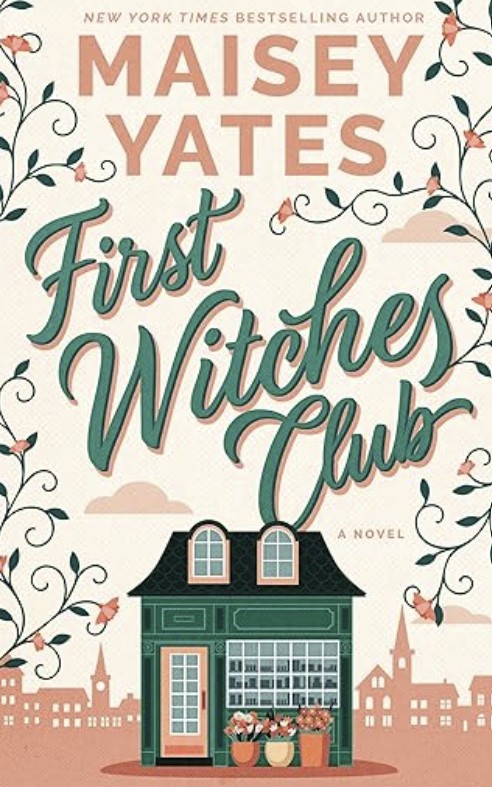
An AI Ethics & Philosophical Fiction Analysis
Is First Witches Club worth reading?
This in-depth book review and AI Book MRI analysis examines genre strength, narrative execution, AI ethics themes, and reader fit to help you decide.
Author: Maisey Yates
Genre: Contemporary Women’s Fiction
Publication Date: 2025
Format: Kindle Unlimited / Paperback
Reader Match:
Your match signal is personalized when you complete the Reader Q&A.
👉Get your Reader Match (60 sec. Q&A)
“This AI Book MRI explores what this story is really about beneath the surface — who it’s for, what it asks of the reader, and what kind of experience it delivers.”
🔎 AI Book MRI — Quick Scan
Overall Signal:
A character-driven small-town women’s fiction novel centered on marriage fracture, female friendship, and the unraveling — and potential rebuilding — of identity in midlife.
Best For:
Readers who enjoy contemporary women’s fiction focused on sharp internal voice, emotionally layered friendships, and the messy realities of love, betrayal, and reinvention within tight-knit communities.
Pacing & Tone Note:
Moderate, character-forward pacing with strong interior monologue and dry humor. Emotional tension builds through social dynamics and relational strain rather than high-stakes plot twists.
MRI Verdict (Quick):
A voice-led ensemble story that leans into female perspective, small-town entanglements, and the fragile architecture of marriage and friendship — prioritizing emotional resonance over suspense mechanics.
The full AI Book MRI below expands on narrative style, thematic depth, and what this book is likely to feel like when read.
📚 Genre Signal
Genre Strength: 🟢 A — Clear & Dominant Signal
Primary Genre: Contemporary Women’s Fiction
Reading Style: Character-driven, voice-forward storytelling centered on relationships, emotional recovery, and small-town social dynamics.
Reader Fit: Strong alignment for readers who enjoy female-ensemble narratives, dry observational humor, and stories that explore friendship, marriage strain, and personal reinvention within close-knit communities.
📚 Genre Framework — How AI Book MRI Classifies Stories – AI Book MRI↗
🧩 Reader Match Summary — MRI #010
First Witches Club
🧠 Concept Strength
What is this book really about beneath the surface — and how effectively does the core idea support the emotional and thematic weight of the story?
At its core, First Witches Club explores the emotional aftershocks of betrayal and the fragile structures that hold adult lives together — marriage, community reputation, and long-standing friendships.
The opening situates the reader in a moment of communal crisis: a respected local woman lies in a hospital bed following a car accident triggered by her husband’s affair. Around her orbit several women whose own lives carry unresolved fractures. This setup establishes a natural ensemble dynamic in which shared history, resentment, humor, and reluctant compassion begin to intertwine.
Rather than relying on external plot devices, the concept derives strength from character psychology and social entanglement. The narrative voice — sharp, ironic, and occasionally biting — provides momentum and personality, signaling that the story’s engine will be observation and emotional interplay rather than mystery or action.
Net effect: A concept built around relational fallout and female alliance, supported by a strong narrative voice and a socially rich small-town environment.
📘 Narrative Execution
How the story is told — including pacing, structure, voice, scene construction, and emotional flow — and how those choices shape the reading experience.
The story is delivered through a close, character-centered narrative voice that blends internal monologue with observational humor. Much of the momentum comes from Nora’s perspective — her sharp, sometimes cynical interpretations of people and situations provide the primary narrative energy.
Scenes unfold through dialogue and social interaction rather than external plot escalation. The hospital setting and small-town environment create a natural stage for overlapping relationships and interpersonal tension. As the story progresses, the ensemble of women surrounding Alexandra’s crisis begins to form the social and emotional center of the narrative.
The pacing is moderate and reflective, prioritizing character voice and relational dynamics over rapid plot development. Humor, emotional observation, and subtle tension between characters sustain reader engagement.
Net effect: A voice-driven narrative style that favors character insight and social dynamics, aligning well with contemporary women’s fiction storytelling expectations.
🎯 Reader & Market Fit
Who this book is most likely to resonate with — and where it may struggle to align with common genre expectations or marketplace browsing behavior.
This novel aligns strongly with readers who enjoy:
• Contemporary women’s fiction centered on life transitions
• Female friendship and ensemble character dynamics
• Small-town community storytelling
• Wry internal monologue and observational humor
• Marriage, identity, and reinvention themes
It may be less suited for readers seeking:
• Fast-paced thriller or suspense narratives
• Plot-driven mysteries or investigative arcs
• Romance-dominant storytelling
• Fantasy-forward witchcraft or magical systems
Net effect: Clear alignment with commercial women’s fiction audiences, particularly readers drawn to character-centered stories about resilience, friendship, and life recalibration.
🪶 Title & Story Effectiveness
How well the title, framing, and outward presentation reflect the book’s deeper intent — and whether they help or hinder first-impression alignment.
The title First Witches Club suggests themes of female alliance, empowerment, and perhaps a touch of symbolic or metaphorical “witchcraft.” While the opening chapters focus primarily on relationship upheaval and community dynamics, the title hints at the eventual formation of a female collective responding to shared challenges.
This framing positions the story within the broader tradition of women’s fiction where friendship, resilience, and solidarity become central narrative forces. The contrast between everyday small-town realism and the evocative “witches club” imagery adds intrigue and signals that the story may evolve toward themes of collective strength and personal reinvention.
Net effect: An intriguing title that hints at female solidarity and empowerment, supporting the book’s themes of friendship, reinvention, and community response to betrayal.
🚫 Who This Book Is Not For:
Readers seeking:
• Fast-paced thriller or suspense narratives
• Plot-driven mysteries or investigative storylines
• Romance-dominant storytelling focused primarily on romantic relationships
• Fantasy-forward witchcraft or structured magical systems
may find this story more focused on character observation, emotional dynamics, and small-town relationship drama than on high-stakes plot escalation.
🧭 Full MRI Verdict
Overall Signal
A contemporary women’s fiction narrative driven by voice, interpersonal tension, and the evolving dynamics of friendship and betrayal within a small community.
Primary Issue
Readers expecting strong external plot propulsion may find the story’s emphasis on internal reflection and social interaction slower paced than genre fiction.
Secondary Issue
Much of the narrative energy relies on character voice and relational observation, which places high expectations on sustained dialogue and emotional authenticity.
Hidden Strength
A sharp, self-aware protagonist voice and the potential for an engaging female ensemble dynamic provide strong reader connection and long-form narrative momentum.
Best Path Forward
Position the novel clearly within contemporary women’s fiction, emphasizing humor, friendship, and emotional rebuilding after betrayal rather than suspense or fantasy elements.
⚠️ Disclaimer
This AI Book MRI is an analytical opinion based on publicly available information and does not guarantee sales performance or market outcomes.