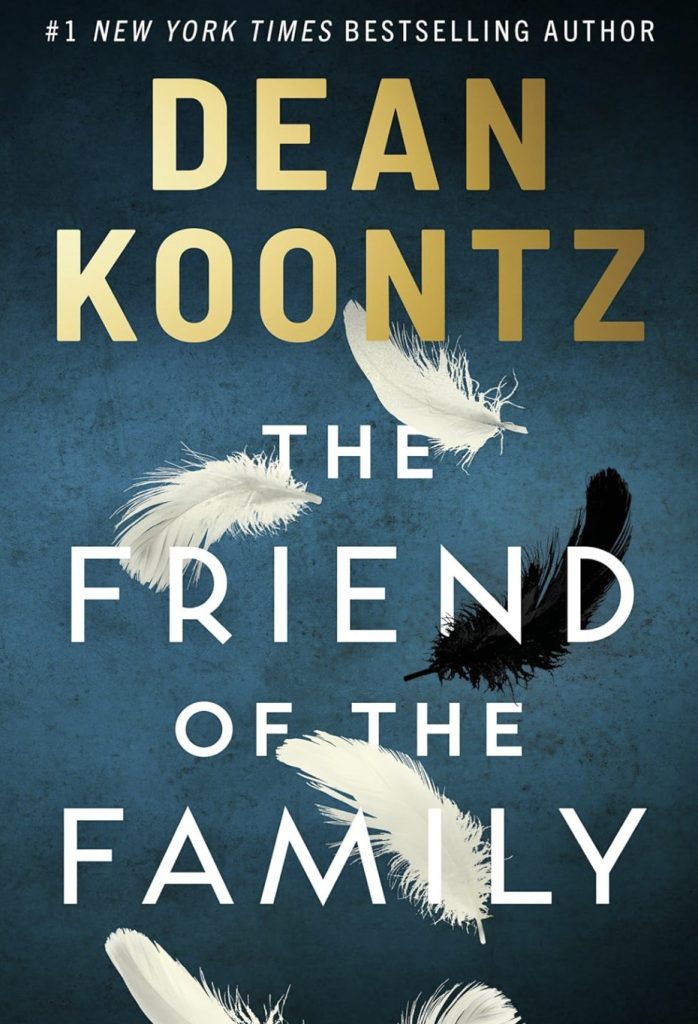
Is The Friend of the Family worth reading?
This in-depth book review and AI Book MRI analysis examines genre strength, narrative execution, AI ethics themes, and reader fit to help you decide.
Author: The Friend of the Family
Genre: Historical Suspense / Character-Driven Mystery
Publication Date: 2025
Format: Kindle Unlimited / Paperback
Reader Match:
Your match signal is personalized when you complete the Reader Q&A.
👉Get your Reader Match (60 sec. Q&A)
“This AI Book MRI explores what this story is really about beneath the surface — who it’s for, what it asks of the reader, and what kind of experience it delivers.”
🔎 AI Book MRI — Quick Scan
Overall Signal:
A dark, emotionally intelligent origin story—part historical suspense, part character-driven mystery—about a young woman exploited as a “human wonder” who eventually finds a purpose powerful enough to redefine her life.
Best For:
Readers who like literary-leaning suspense with strong voice, moral tension, and a “survivor-to-agent” arc—where the plot builds patiently and the payoff feels earned.
Pacing & Tone Note:
Measured, immersive pacing with a reflective narrator; the tension comes less from rapid twists and more from dread, humiliation, control, and the slow approach of an inevitable rupture.
MRI Verdict (Quick):
A compelling, voice-forward historical suspense setup with genuine emotional weight—more “dark journey + meaning” than popcorn thriller.
The full AI Book MRI below expands on narrative style, thematic depth, and what this book is likely to feel like when read.
📚 Genre Signal
Genre Strength: 🟢 A — Clear & Dominant Signal
Primary Genre: Historical Suspense / Character-Driven Mystery
Reading Style: Voice-forward, reflective, psychologically intense
Reader Fit: Best for readers who want atmosphere + moral stakes + slow-burn tension more than constant action.
📚 Genre Framework — How AI Book MRI Classifies Stories – AI Book MRI↗
🧩 Reader Match Summary — MRI #013
The Friend of the Family
🧠 Concept Strength
What is this book really about beneath the surface — and how effectively does the core idea support the emotional and thematic weight of the story?
The core concept is strong: a bright young woman, effectively owned and exhibited, survives a degrading world (carnival → speakeasies) while quietly forming a moral framework—and then reaches a moment where purpose becomes possible.
What makes it work is the contrast:
- intelligence + captivity
- beauty of face + grotesque exploitation of body
- compassion/forgiveness vs. justified rage
- a “made world with meaning” belief battling a world that treats her as property
This is a story engine that naturally creates stakes, momentum, and long-range payoff, because the reader senses the day of reckoning is coming.
Net effect: A high-gravity premise with built-in emotional propulsion and thematic depth.
📘 Narrative Execution
How the story is told — including pacing, structure, voice, scene construction, and emotional flow — and how those choices shape the reading experience.
How the story is told — including pacing, structure, voice, scene construction, and emotional flow — and how those choices shape the reading experience.
The narrative is driven primarily by a reflective first-person voice, which allows the reader to experience the protagonist’s humiliation, resilience, and moral development from inside her mind. The tone is thoughtful and controlled rather than frantic, with the narrator often pausing to interpret events through a philosophical lens shaped by literature and personal belief.
Scenes are constructed with rich historical texture—carnival life, speakeasies, and the darker edges of 1920s America—creating an immersive atmosphere that supports the emotional stakes of the story. Rather than relying on rapid plot twists, the structure builds tension through gradual revelations about the protagonist’s condition, her captivity, and the forces shaping her future.
This approach places emphasis on character psychology and moral conflict, allowing the reader to feel the slow accumulation of injustice and the growing sense that the protagonist’s life must eventually pivot toward purpose or rebellion.
Net effect: A voice-driven, atmospheric narrative that favors psychological immersion and emotional tension over rapid pacing.
🎯 Reader & Market Fit
Who this book is most likely to resonate with — and where it may struggle to align with common genre expectations or marketplace browsing behavior.
Strong alignment with readers who enjoy:
- historical settings with grit (1920s America, carnivals, speakeasies)
- outsider protagonists with sharp inner lives
- stories about exploitation, survival, and moral awakening
- “purpose revealed” arcs (the promise that the suffering means something later)
May be less aligned with readers seeking:
- fast twist-per-chapter thrillers
- lighter Koontz-style pacing/action right from page one
- purely plot-driven mystery without reflective narration
Net effect: Best positioned as dark historical suspense with a literary edge, not a lightweight thriller.
🪶 Title & Story Effectiveness
How well the title, framing, and outward presentation reflect the book’s deeper intent — and whether they help or hinder first-impression alignment.
How well the title, framing, and outward presentation reflect the book’s deeper intent — and whether they help or hinder first-impression alignment.
The title suggests familiarity and trust, which contrasts sharply with the darker reality revealed in the story. This tension between appearance and truth mirrors the novel’s central themes—people who claim guardianship while exploiting the vulnerable, and institutions that mask cruelty behind respectability.
Because the narrative explores deception, identity, and the hidden motives of those in positions of authority, the title functions as an ironic frame that encourages readers to question who the “friend” truly is and what loyalty or protection actually means within the story’s world.
For readers encountering the book without context, the title may initially sound more domestic or conventional than the story itself. However, once the themes emerge, the phrasing begins to feel intentionally layered.
Net effect: A subtly ironic title that reflects the novel’s themes of trust, manipulation, and hidden truth, though it may initially suggest a more traditional suspense story than the narrative ultimately delivers.
🚫 Who This Book Is Not For:
Readers who prefer quick-hit action, minimal introspection, or upbeat tonal comfort may find this too slow-burn, too morally heavy, or too grounded in psychological discomfort.
🧭 Full MRI Verdict
Overall Signal
A voice-led historical suspense story centered on exploitation, endurance, and a looming turn toward purpose and agency.
Primary Issue
The reflective, patient storytelling may feel slow to readers expecting immediate high-speed thriller mechanics.
Secondary Issue
The degradation/humiliation elements can be emotionally intense—some readers will bounce if they want safer subject matter.
Hidden Strength
The narrator’s intelligence and moral framing create authority—the story feels meaningful, not sensational.
Best Path Forward
The narrator’s intelligence and moral framing create authority—the story feels meaningful, not sensational.
⚠️ Disclaimer
This AI Book MRI is an analytical opinion based on publicly available information and does not guarantee sales performance or market outcomes.