“This AI Book MRI explores what this story is really about beneath the surface — who it’s for, what it asks of the reader, and what kind of experience it delivers.”
Book Overview
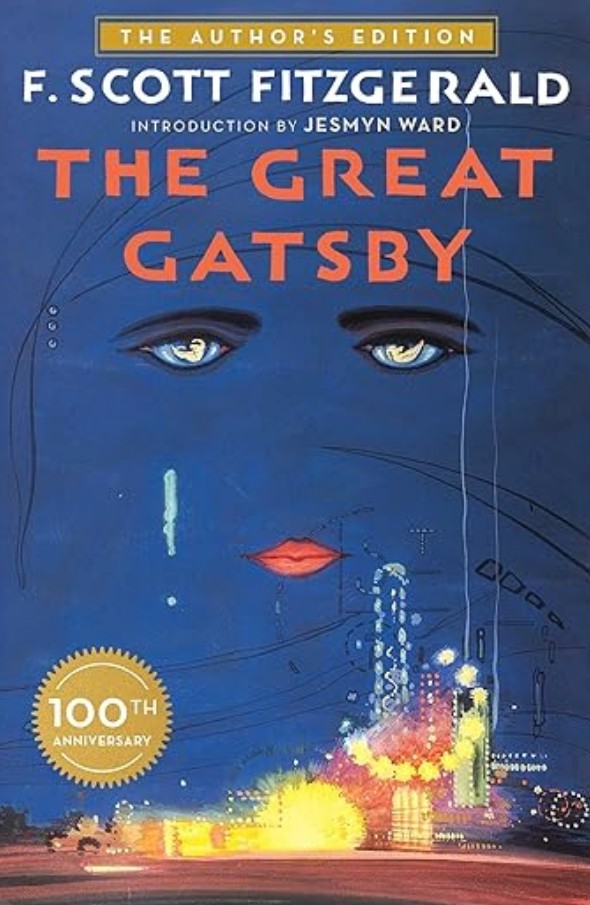
Title: The Great Gatsby
Author: F. Scott Fitzgerald
Genre: Literary Fiction
Publication Date: 1925
Format: Kindle
Reader Match:
AI Book Strength:
✓ Very Strong
Your match signal is personalized when you complete the Reader Q&A.
👉Get your Reader Match (60 sec. Q&A)
🔎 AI Book MRI — Quick Scan
Overall Signal: Strong
Best For: Readers drawn to elegant prose, reflective storytelling, and narratives that explore longing, identity, and the tension between aspiration and reality. Particularly suited for those who appreciate emotional nuance conveyed through atmosphere rather than direct expression.
Pacing & Tone: Smooth, measured pacing with a consistently reflective tone. The narrative unfolds with restraint, allowing meaning to accumulate gradually beneath a polished surface.
MRI Verdict (Quick): A precisely constructed novel that examines the emotional cost of illusion and ambition, delivering lasting resonance through symbolism, tone, and quiet revelation rather than overt drama.
Genre Signal: Literary fiction centered on observation, symbolic meaning, and character perception, with emphasis placed on thematic depth rather than plot-driven momentum.
Reader Match Summary — MRI #556
This book is best suited for readers who value subtlety, atmosphere, and emotional layering. Those expecting dramatic shifts or high-intensity storytelling may find the narrative restrained, while readers open to reflective pacing and interpretive depth will find it quietly powerful and enduring.
📚Learn How AI Book MRI Classifies Stories ↗
The full MRI analysis below explores narrative style, thematic depth, and the overall reading experience.
📊 Concept Strength
The core concept is both simple and deeply resonant: the pursuit of an idealized vision of life, shaped by desire and sustained through illusion. The novel explores how individuals construct meaning around aspiration, often blurring the line between reality and imagined fulfillment. Its strength lies in its ability to examine this pursuit without overt judgment, allowing the reader to recognize both its allure and its emptiness.
Rather than relying on complexity of events, the concept sustains interest through emotional and symbolic progression. The idea of longing—particularly for something that cannot be fully reclaimed or realized—gives the narrative a quiet but persistent tension.
📘 Narrative Execution
The narrative is tightly controlled and deliberately understated, using a reflective narrator who observes more than he acts. This distance creates a layer of interpretation, encouraging readers to engage actively with what is implied rather than explicitly stated.
Character development unfolds gradually, often through subtle interactions and carefully chosen details rather than dramatic shifts. Fitzgerald avoids overt emotional peaks, instead maintaining a steady tone that mirrors the contained, performative world of the characters. This approach requires patience but rewards close attention with a deeper sense of emotional clarity.
🎯 Reader & Market Fit
This is a selective-fit book. It aligns most strongly with readers who appreciate literary craftsmanship, thematic depth, and the interplay between surface appearance and underlying emotion. Its appeal is less about narrative momentum and more about interpretive engagement.
Readers seeking immersive action, rapid pacing, or clearly defined emotional arcs may find it distant. However, those drawn to reflective storytelling and symbolic meaning will find it particularly compelling.
✒️ Title & Story Effectiveness
The title is deceptively simple, centering attention on a single figure while reinforcing themes of identity, perception, and constructed image. It subtly signals that the story is not just about events, but about how a life is seen and interpreted.
Its effectiveness lies in its alignment with the narrative’s restraint—direct on the surface, but layered in implication.
🚫 Who This Book Is Not For
Readers looking for strong plot progression, overt conflict, or emotionally explicit storytelling may find the experience too restrained. Those who prefer clear resolutions and direct narrative payoff may feel the story lacks immediacy.
🧭 Full MRI Verdict
Overall Signal: Strong
Primary Issue: Emotional restraint may limit immediate engagement for readers seeking more direct expression.
Secondary Issue: Limited plot movement may create a sense of narrative distance.
Hidden Strength: Deep thematic resonance achieved through symbolism, tone, and controlled narration.
Best Path Forward: Approach the novel with attention to atmosphere, subtext, and emotional undercurrents, allowing meaning to emerge gradually rather than expecting overt narrative cues.
⚠️ Disclaimer
This AI Book MRI is an analytical opinion based on publicly available information and does not guarantee sales performance or market outcomes.