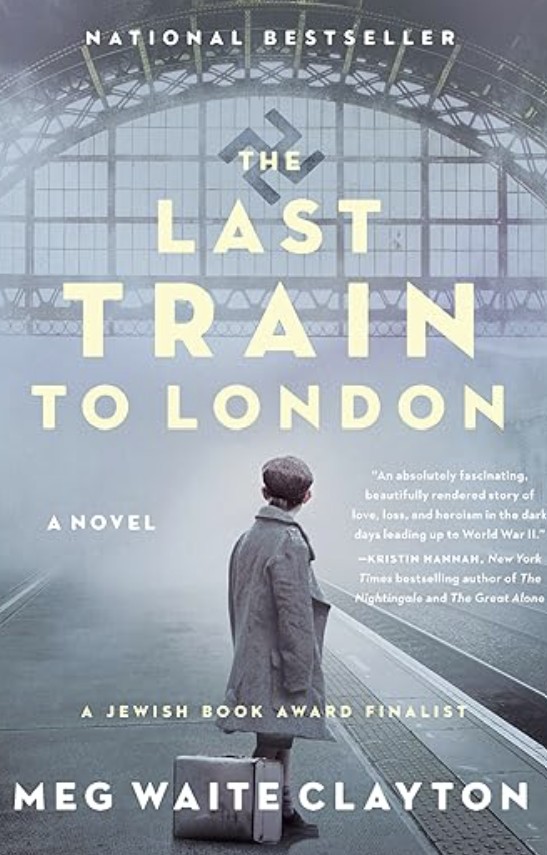
“This AI Book MRI explores what this story is really about beneath the surface — who it’s for, what it asks of the reader, and what kind of experience it delivers.”
Book Overview
Title: The Last Train to London
Author: Meg Waite Clayton
Genre: Literary Fiction
Publication Date: 2026
Format: Kindle
Reader Match:
Your match signal is personalized when you complete the Reader Q&A.
👉Get your Reader Match (60 sec. Q&A)
🔎 AI Book MRI — Quick Scan
Overall Signal
A historical literary narrative centered on displacement, survival, and human resilience.
Best For
Readers who value emotionally impactful historical fiction with strong human stakes.
Pacing & Tone
Moderate pacing with an emotionally driven tone that balances tension and reflection.
MRI Verdict (Quick)
A historically grounded narrative that combines emotional depth with real-world stakes.
📚 Genre Signal
Genre Strength: 🟢 A – Clear & Dominant Signal
Primary Genre: Literary Fiction
📚Learn How AI Book MRI Classifies Stories ↗
🧩 Reader Match Summary — MRI #220
Readers drawn to historical narratives with emotional depth and human stakes will connect strongly.
The full MRI analysis below explores narrative style, thematic depth, and the overall reading experience.
🚀 Concept Strength
What is this book really about beneath the surface — and how effectively does the core idea support the emotional and thematic weight of the story?
The concept centers on displacement and survival, grounding the narrative in real-world emotional and historical significance.
Net Effect: Strong and emotionally resonant premise.
🟦 Narrative Execution
How the story is told — including pacing, structure, voice, scene construction, and emotional follow-through — and how those choices shape the reading experience.
The narrative balances tension and reflection, maintaining engagement through both stakes and emotional connection.
Net Effect: Effective blend of tension and emotional continuity.
🎯 Reader & Market Fit
Who this book is most likely to resonate with — and where it may struggle to align with common genre expectations or marketplace browsing behavior.
Well suited for readers of historical literary fiction seeking emotional depth and meaningful context.
Net Effect: Strong alignment with emotionally driven historical fiction audiences.
✏️ Title & Story Effectiveness
How well the title reflects the book’s deeper intent and whether it helps align reader expectations.
The title evokes urgency and journey, reinforcing the narrative’s themes of escape and survival.
Net Effect: Strong alignment with story stakes and tone.
🚫 Who This Book Is Not For
Readers seeking light or purely escapist narratives without historical weight.
🧭 Full MRI Verdict
Overall Signal
A powerful historical narrative focused on survival, displacement, and emotional resilience.
Primary Issue
Heavy subject matter may limit appeal for readers seeking lighter themes.
Secondary Issue
Emotional intensity may overshadow narrative pacing for some readers.
Hidden Strength
Strong emotional impact grounded in historical reality.
Best Path Forward
Balance emotional weight with moments of relief to maintain reader engagement.
⚠️ Disclaimer
This AI Book MRI is an analytical opinion based on publicly available information and does not guarantee sales performance or market outcomes.