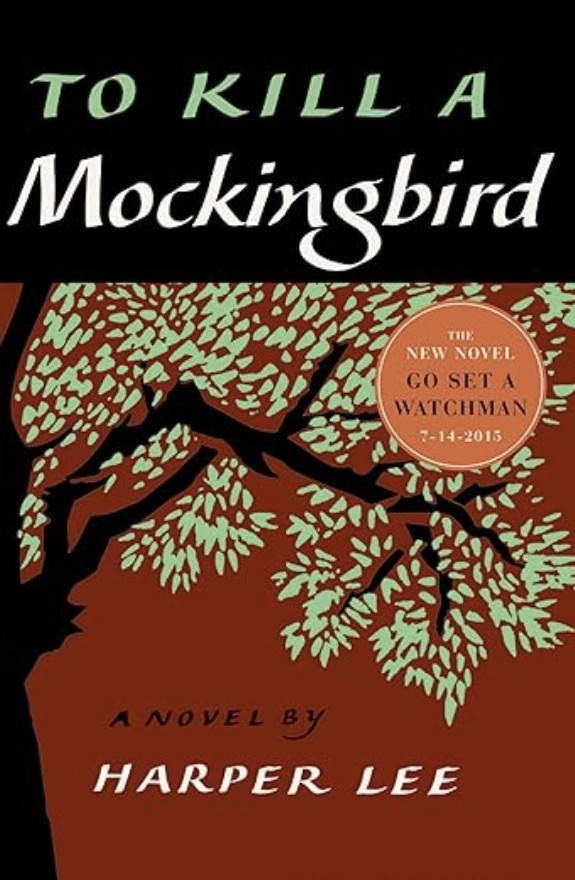
“This AI Book MRI explores what this story is really about beneath the surface — who it’s for, what it asks of the reader, and what kind of experience it delivers.”
Book Overview
Title: To Kill a Mockingbird
Author: Harper Lee
Genre: Literary Fiction
Publication Date: 1960
Format: Novel
Reader Match:
Your match signal is personalized when you complete the Reader Q&A.
👉Get your Reader Match (60 sec. Q&A)
🔎 AI Book MRI — Quick Scan
Overall Signal: Strong
Best For: Readers interested in moral conflict, character-driven narratives, and human-centered storytelling
Pacing & Tone: Moderate pacing, balanced tone
MRI Verdict (Quick): A character-driven narrative that reveals how moral clarity is tested when it matters most
Genre Signal: Literary Fiction — A reflective narrative exploring justice, perception, and the shaping of moral identity
Reader Match Summary — MRI #552
This is a strong match for readers who value emotional depth, ethical tension, and stories centered on human behavior rather than plot-driven momentum
📚Learn How AI Book MRI Classifies Stories ↗
The full MRI analysis below explores narrative style, thematic depth, and the overall reading experience.
🧠 Concept Strength
Most people remember this as a story about justice. What often gets overlooked is that it’s really about how people learn what justice means.
At its core, the book is not just presenting a moral situation—it is showing how that situation is understood, processed, and internalized. The perspective matters. By placing the story through a younger lens, the narrative shifts from judgment to discovery. The result is not simply a lesson about right and wrong, but an exploration of how those ideas are formed under pressure. This gives the concept a lasting impact, because it reflects how individuals come to define their own sense of fairness.
📘 Narrative Execution
The story moves quietly, but the tension builds in what is not said as much as what is.
Rather than relying on plot twists or rapid developments, the narrative unfolds through observation, interaction, and gradual realization. The pacing allows the reader to absorb the environment before fully understanding its implications. This creates a layered experience where meaning deepens over time. The emotional weight does not come from sudden events, but from the accumulation of small moments that reshape how the reader interprets what is happening.
🎯 Reader & Market Fit
This remains widely accessible, but its depth increases with the reader’s perspective.
Many encounter the book early in life, but its full impact often isn’t realized until later. It resonates strongly with readers who are willing to reflect on human behavior and moral complexity rather than seeking fast-moving narratives. Its accessibility makes it broadly appealing, while its underlying themes ensure it remains relevant across different stages of life. This dual nature—simple on the surface, deeper upon reflection—is a key part of its enduring presence.
🪶 Title & Story Effectiveness
The title suggests a clear moral direction, but the story reveals how difficult that clarity is to maintain.
“To Kill a Mockingbird” has become symbolic of innocence and injustice, yet the narrative complicates that symbolism by showing how easily perception can be distorted. The title works because it frames the story with a sense of ethical expectation, while the events within the book challenge how consistently those expectations are upheld in practice.
🚫 Who This Book Is Not For: Readers looking for fast pacing, high action, or constant plot movement may find the story too gradual. It is best suited for those who value reflection over momentum.
🧭 Full MRI Verdict
Overall Signal: Strong
Primary Issue: Slow pacing may reduce engagement for action-oriented readers
Secondary Issue: Subtlety of themes may be overlooked on a surface read
Hidden Strength: Deep emotional resonance that evolves with reader maturity
Best Path Forward: Best experienced with attention to character perspective and underlying moral tension
🔎 Explore More:
⚠️ Disclaimer
This AI Book MRI is an analytical opinion based on publicly available information and does not guarantee sales performance or market outcomes.