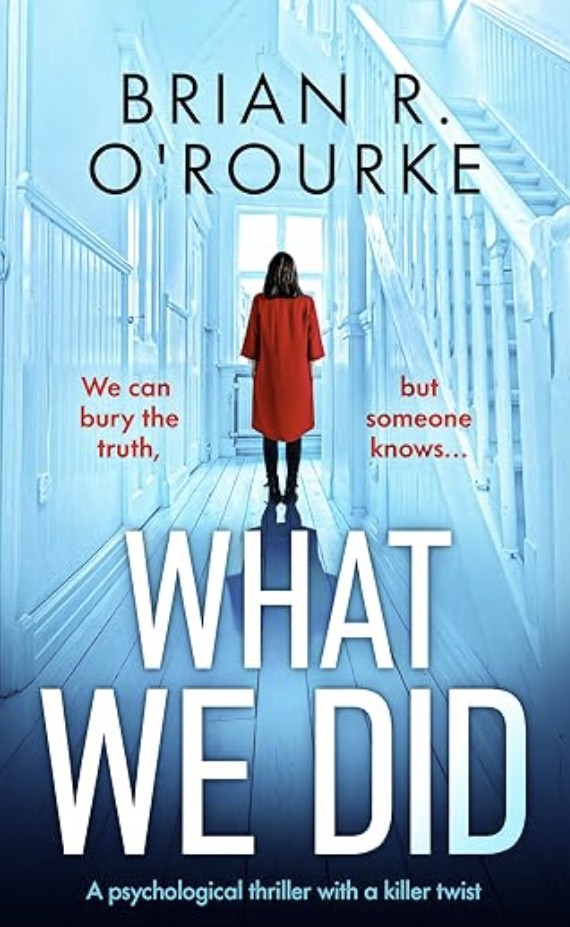
“This AI Book MRI explores what this story is really about beneath the surface — who it’s for, what it asks of the reader, and what kind of experience it delivers.”
Book Overview
Title: What We Did
Author: Brian R. O’Rourke
Genre: Thriller
Publication Date: 2026
Format: Kindle
Reader Match:
Your match signal is personalized when you complete the Reader Q&A.
👉Get your Reader Match (60 sec. Q&A)
🔎 AI Book MRI — Quick Scan
Overall Signal: A psychologically driven thriller centered on shared guilt, hidden past actions, and the consequences that resurface when secrets refuse to stay buried.
Best For: Readers who enjoy suspense built around moral tension, group dynamics, and narratives where past decisions drive present danger.
Pacing & Tone: Moderate to fast pacing with a dark, reflective tone that gradually intensifies as truths are revealed.
MRI Verdict (Quick): A strong fit for readers seeking a character-driven thriller focused on guilt, secrecy, and escalating consequences.
Genre Signal: Thriller with strong psychological and moral-conflict elements, emphasizing secrecy, consequence, and group tension.
Reader Match Summary — MRI #426:
What We Did appears structured around a shared past event that binds characters together through secrecy and guilt. The narrative likely unfolds by gradually exposing what happened, allowing tension to build as consequences emerge and relationships are tested. This creates a layered suspense experience where emotional stakes and psychological pressure are just as important as plot progression, making it especially appealing to readers who enjoy character-driven thrillers with moral complexity.
📚Learn How AI Book MRI Classifies Stories ↗
The full MRI analysis below explores narrative style, thematic depth, and the overall reading experience.
🧠 Concept Strength
How clear, compelling, and marketable is the core premise?
The idea of a shared secret hinted at by the title is highly effective, creating immediate intrigue and emotional weight. It is both relatable and suspenseful.
Net Effect: Strong, emotionally grounded premise with clear psychological and commercial appeal.
📖 Narrative Execution
How effectively does the story appear to deliver on its premise?
Execution likely builds through controlled reveals and shifting dynamics between characters. Tension should rise as the past intersects with the present.
Net Effect: Gradual, tension-building execution with strong emphasis on character and consequence.
🎯 Reader & Market Fit
Who is this most likely to satisfy, and how well does it align with audience expectations?
This aligns well with readers of psychological and domestic thrillers that emphasize relationships and secrets. It fits comfortably within genre expectations.
Net Effect: Strong fit for readers seeking emotionally driven suspense with layered character dynamics.
🧩 Title & Story Effectiveness
How well do the title, packaging, and implied story work together?
The title is simple yet highly suggestive, creating curiosity through implication rather than detail.
Net Effect: Subtle but powerful title that reinforces the story’s central tension.
🚫 Who This Book Is Not For:
Readers seeking action-heavy thrillers or procedural investigations may find this too focused on internal conflict and relationships.
⚖️ Full MRI Verdict
Overall Assessment: A compelling, character-driven thriller with strong emotional and psychological depth
Commercial Hook: Strong through implied mystery and shared guilt
Reader Appeal: High for psychological thriller audiences
Narrative Promise: Suspense driven by past actions and consequences
Potential Limitation: Less action-focused than some thrillers
⚠️ Disclaimer
This AI Book MRI is an analytical opinion based on publicly available information and does not guarantee sales performance or market outcomes.