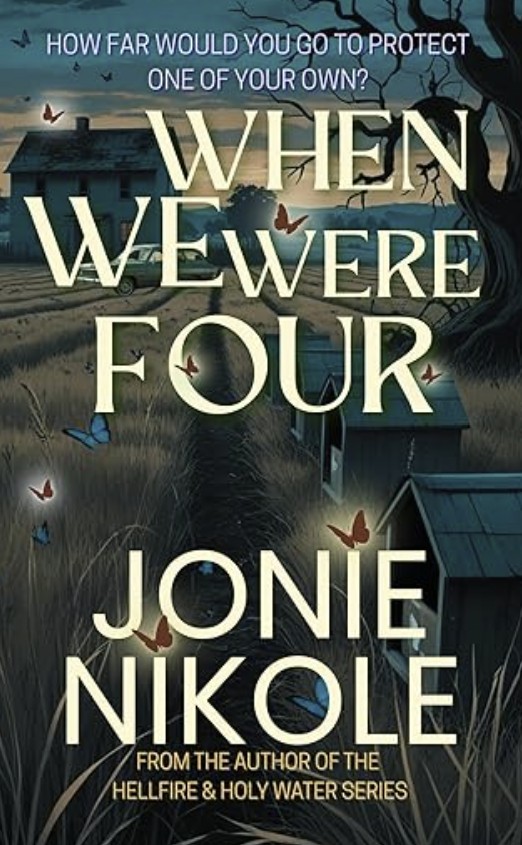
“This AI Book MRI explores what this story is really about beneath the surface — who it’s for, what it asks of the reader, and what kind of experience it delivers.”
Book Overview
Title: When We Were Four
Author: Jonie Nikole
Genre: Family Drama / Suspense
Publication Date: 2026
Format: Kindle
Reader Match:
Your match signal is personalized when you complete the Reader Q&A.
👉Get your Reader Match (60 sec. Q&A)
🔎 AI Book MRI — Quick Scan
Overall Signal
A character-driven drama exploring family relationships, memory, and the lingering impact of shared past experiences.
Best For
Readers who enjoy emotionally layered stories about family dynamics and hidden secrets.
Pacing & Tone
Moderate pacing with emphasis on emotional discovery.
MRI Verdict (Quick)
A reflective story examining family bonds and the influence of past events.
📚 Genre Signal
Genre Strength: 🟡 B — Blended Genre Signal
Primary Genre: Family Drama
📚Learn How AI Book MRI Classifies Stories ↗
🧩 Reader Match Summary MRI#185
Readers who enjoy emotionally driven stories about family, memory, and relationships are most likely to connect with this book.
The full MRI analysis below explores narrative style, thematic depth, and the overall reading experience.
🔴 Concept Strength
What is this book really about beneath the surface — and how effectively does the core idea support the emotional and thematic weight of the story?
Stories about family memories often explore identity, relationships, and the lingering influence of the past.
Net Effect: Emotionally reflective narrative premise.
🟦 Narrative Execution
How the story is told — including pacing, structure, voice, scene construction, and emotional flow — and how those choices shape the reading experience.
The narrative likely unfolds through reflection, relationships, and gradual emotional discovery.
Net Effect: Character-driven storytelling.
🎯 Reader & Market Fit
Who this book is most likely to resonate with — and where it may struggle to align with common genre expectations or marketplace browsing behavior.
Readers who prefer emotional and reflective storytelling.
Net Effect: Solid alignment with family drama readers.
✒ Title & Story Effectiveness
How well the title, framing, and outward presentation reflect the book’s deeper intent — and whether they help or hinder first-impression alignment.
The title suggests nostalgia and reflection on a formative moment in the past.
Net Effect: Strong emotional framing.
🚫 Who This Book Is Not For
Readers seeking high-action or fast-paced thrillers.
🧭 Full MRI Verdict
Overall Signal
Character-driven story centered on family relationships and memory.
Primary Issue
Character-focused narratives must maintain emotional momentum.
Secondary Issue
Readers may expect meaningful revelations about the past.
Hidden Strength
The family premise invites strong emotional connection.
Best Path Forward
Gradually reveal the deeper significance of past events.
⚠️ Disclaimer
This AI Book MRI is an analytical opinion based on publicly available information and does not guarantee sales performance or market outcomes.