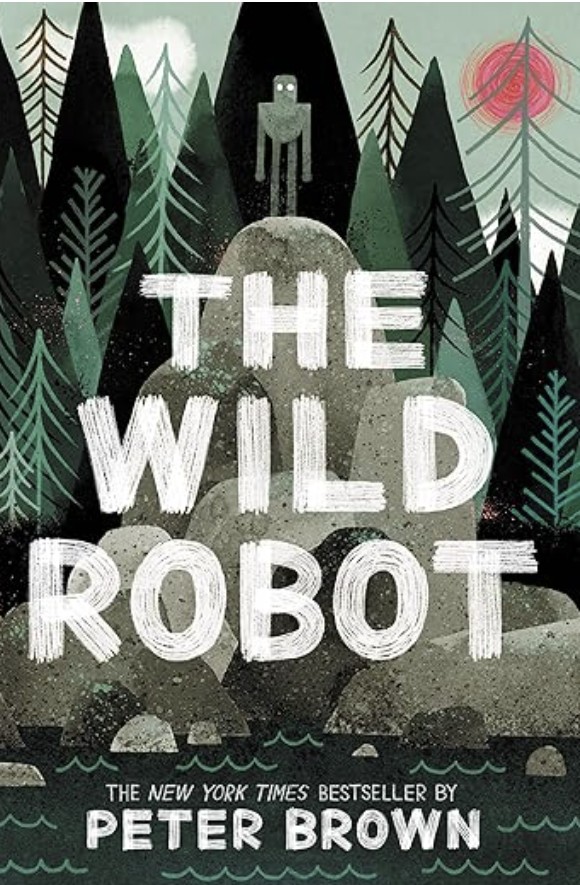
📖 Read our Full AI Children’s Book MRI Analysis below. It explores narrative style, and the overall fit and reading experience.
Title: The Wild Robot
Author: Peter Brown
Genre: Children’s Book
🎨 Age Match Signal
🟢 3–5
🔵 6–8
🟠 9–12 ✔
Why: The story blends survival, emotional growth, and moral decision‑making in a way that resonates with middle‑grade readers. The vocabulary, pacing, and themes (identity, belonging, empathy, environmental awareness) are well above early‑chapter‑book range but fully accessible to ages 9–12.
🔍 Children’s Book MRI — Quick Scan Overall Signal
A warm, thoughtful survival story about a robot learning to live in the natural world. Blends adventure with emotional depth, making it ideal for readers who enjoy character‑driven stories with gentle philosophical questions.
Best For: Readers who like quiet adventure, emotional arcs, and stories that explore kindness, community, and what it means to belong.
🎭 Engagement & Tone
The tone is calm, reflective, and steadily engaging. Moments of danger and tension are present but never overwhelming. The short chapters, clean prose, and steady pacing help readers stay grounded while following Roz’s growth. The emotional beats are sincere rather than intense, making this a safe and rewarding read for sensitive or thoughtful middle‑grade readers.
⚖️ Worthiness Scale (Clean/Modern Gauge)
High Value — meaningful themes, strong emotional clarity, and excellent developmental alignment for ages 9–12. (Gauge image placeholder — matches your clean/modern style)
🌱 Developmental Value
This story supports middle‑grade development through:
- Understanding empathy and compassion
- Recognizing community roles and interdependence
- Navigating identity, belonging, and self‑discovery
- Interpreting social cues and emotional responses
- Reflecting on environmental awareness and responsibility
Roz’s journey models patience, problem‑solving, and kindness — all core developmental skills for this age group.
🎭 Story & Structure
The narrative uses short, focused chapters that build a steady rhythm. The structure is episodic but cohesive, allowing readers to follow Roz’s growth through small, meaningful interactions. The island setting creates a contained world where every character encounter matters. The balance of action, reflection, and gentle humor keeps readers engaged without overwhelming them.
🎨 Engagement Quality
The book’s charm comes from its emotional clarity and world‑building. Readers connect with Roz’s curiosity and kindness, and the animal community provides a wide range of personalities and small conflicts. The stakes rise gradually, giving readers time to invest in the relationships. The illustrations (in the print edition) add visual grounding without distracting from the text.
🪶 Title & Story Effectiveness + Potential Considerations
The title is simple, memorable, and perfectly signals the story’s core question: What happens when a robot must survive in the wild? Themes of loss, danger, and survival appear but are handled gently. Sensitive readers should be comfortable with the emotional moments, especially because the story emphasizes resilience and connection. The book stands alone but also leads naturally into the sequel, which some readers may want immediately.
🧭 Full MRI Verdict
Overall Signal: Exceptional
Primary Issue: Some readers may find the pacing slower than typical action‑driven middle‑grade books.
Secondary Issue: Emotional subtlety may be missed by readers who prefer high‑intensity plots.
Hidden Strength: A rare blend of warmth, philosophy, and survival storytelling that builds empathy without heaviness.
Best Path Forward: Ideal for thoughtful readers, classroom discussions, and parents seeking meaningful, gentle adventure.
🔎 Explore More: